Leek and Potato Soup for Two: Smooth or Chunky
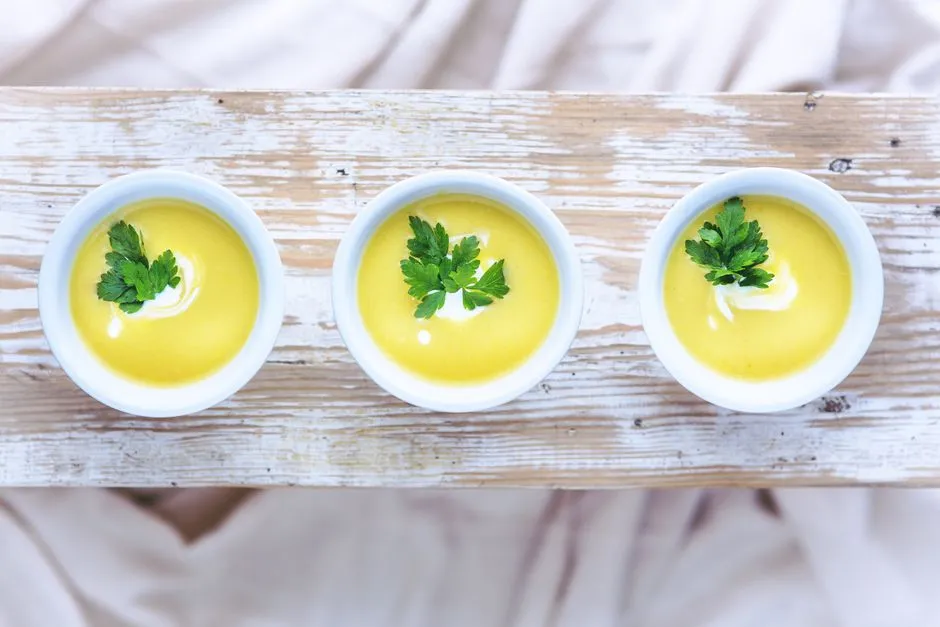
Simmer equal attention into leeks, potatoes, and liquid
Leek and potato soup for two uses 150 g sliced leek, 300 g potato, and 500 ml unsalted stock or water. Soften the leek in butter without browning, simmer the potatoes until easily crushed, then leave the soup chunky or blend it carefully. Finish with 60 ml cream only after lowering the heat. The recipe makes two main bowls, not a cauldron requiring municipal permits.
Ingredients
- 1 medium leek, 150 g trimmed and thinly sliced
- 300 g floury or all-purpose potato, peeled and cut into 1/2-inch (1.25 cm) cubes
- 1 tablespoon (14 g) unsalted butter
- 500 ml unsalted vegetable or chicken stock, or water
- 1/2 teaspoon fine salt, divided, plus more only after tasting
- 1/8 teaspoon black or white pepper
- 1/4 cup (60 ml) heavy cream, optional
- 1 tablespoon chopped chives or parsley, optional
This makes about two main-course portions or three smaller cups, depending on evaporation and blending. Butter, cream, and prepared stock may contain allergens; verify labels and cross-contact.
Wash the leek after slicing
Trim off the root and tough dark-green portion, keeping the pale and tender light-green sections. Halve lengthwise, slice thinly, and place the pieces in a bowl of cold water. Agitate so sand falls away, lift the leek out, and repeat with clean water if grit remains.
Do not pour the dirty water through the leek in a strainer; that reunites the sand with its former address.
Browse simple suppers for more one-pot methods.
Cut the potatoes evenly
Peel and cut the potatoes into roughly 1/2-inch cubes. Similar size helps them soften together. Keep prepared potato from sitting exposed for a long period; proceed directly to cooking or hold appropriately for the recipe.
If using prepared stock, taste it before adding salt. Sodium varies widely, so this recipe begins with divided seasoning.
Sweat the leek gently
Melt the butter in a medium saucepan over medium-low heat. Add the drained leek and 1/4 teaspoon salt. Cook for 7 to 9 minutes, stirring, until soft and reduced in volume but not browned.
Lower the heat if edges color. Browning adds a different flavor and darker color; it is not wrong in every soup, but it changes this mild version.
Simmer until potatoes crush easily
Add the potatoes, 500 ml stock or water, pepper, and remaining 1/4 teaspoon salt. Bring just to a boil, then reduce to a steady gentle simmer. Partially cover and cook for 15 to 20 minutes, until a potato cube crushes easily against the side of the pot with a spoon.
The liquid should mostly cover the vegetables at the start. Pot shape, pan width, and heat affect evaporation. Add a small measured amount of hot water if the potatoes become exposed before tender.
Choose chunky, crushed, or smooth
For chunky soup, press some potato cubes against the pot and stir them back in. For a rustic texture, use a potato masher directly in the pan after removing it from the heat.
For smooth soup, let vigorous steaming subside and use an immersion blender according to its instructions, keeping the blade submerged and hands clear. If using a countertop blender, hot liquids can expand and force the lid upward; cool and process only as the blender manufacturer permits, in safe batches. Never fill beyond its hot-liquid limit.
Finish without boiling the cream
Return the soup to low heat. Stir in the optional 60 ml cream and warm gently without a hard boil. Taste and add salt or pepper only if needed.
If the soup is thicker than desired, add hot water or stock 1 tablespoon (15 ml) at a time. If too thin, simmer gently before adding cream, watching closely and stirring to prevent scorching.
Serve with the mustard lentil salad in smaller portions for a bistro-style meal.
Cool leftovers in a shallow container
Serve the soup hot in stable bowls. Refrigerate leftovers promptly in a clean shallow covered container and follow current official local food-safety guidance. Reheat only the needed portion until safely hot, stirring so there are no cool pockets.
Do not repeatedly cool and reheat the whole batch. Discard soup with an uncertain time or temperature history. A silky texture is lovely; an invented safety history is not an ingredient.